


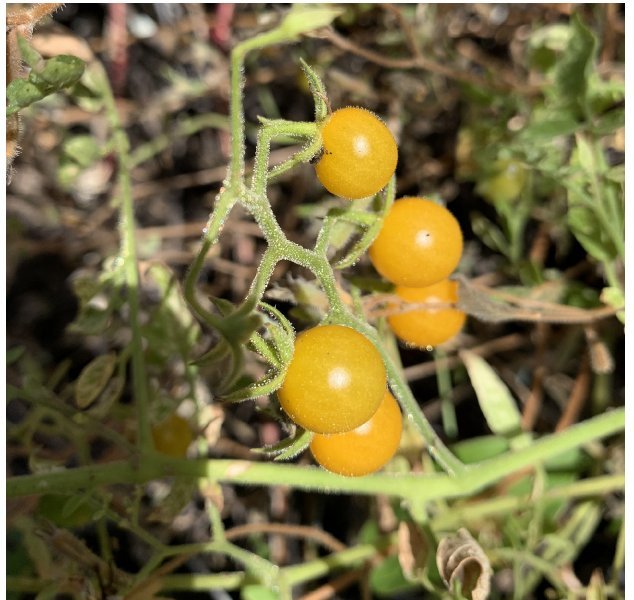
A wild tomato (probably Solanum cheesmaniae) on the Galápagos island of Santa Cruz. Photo: GibsonMatt
Two endemic tomato species with extreme drought and salt tolerance grow on the Galápagos Islands. Bionieuws went back to the roots of tomatoes.
‘It is truly extraordinary. Whilst Dutch growers pamper tomatoes in glasshouses, closely related tomatoes grow on Galápagos as pioneer plants on volcanic rock and in places where seawater splashes around. Endemic tomato species that possess extreme tolerance to drought and salt. I am convinced that the wild microbiomes of such tomatoes have a great deal to teach us about plant growth and health, and about crop breeding. The real secret of the tomato lies in its relationship with its environment. We need to go back to the roots, to the invisible foundation beneath the tomato’, says biologist Pieter van ‘t Hof of the Universidad San Francisco de Quito (USFQ) in Ecuador, speaking last summer on the Galápagos island of Santa Cruz. Van ‘t Hof, who trained in Wageningen, had just completed three exhausting days of fieldwork on Isabela, the largest island in the archipelago. He leads a Dutch–Ecuadorian team that is mapping the wild microbiome of tomatoes in the areas of origin of the Lycopersicon clade of tomatoes (Phytobiomes Journal, 2024). This clade comprises the cultivated tomato eaten worldwide, Solanum lycopersicum, the small ‘ancestral tomato’ S. pimpinellifolium, and the two endemic tomato species of Galápagos: S. cheesmaniae and S. galapagense (see ‘Domestication of the tomato‘).
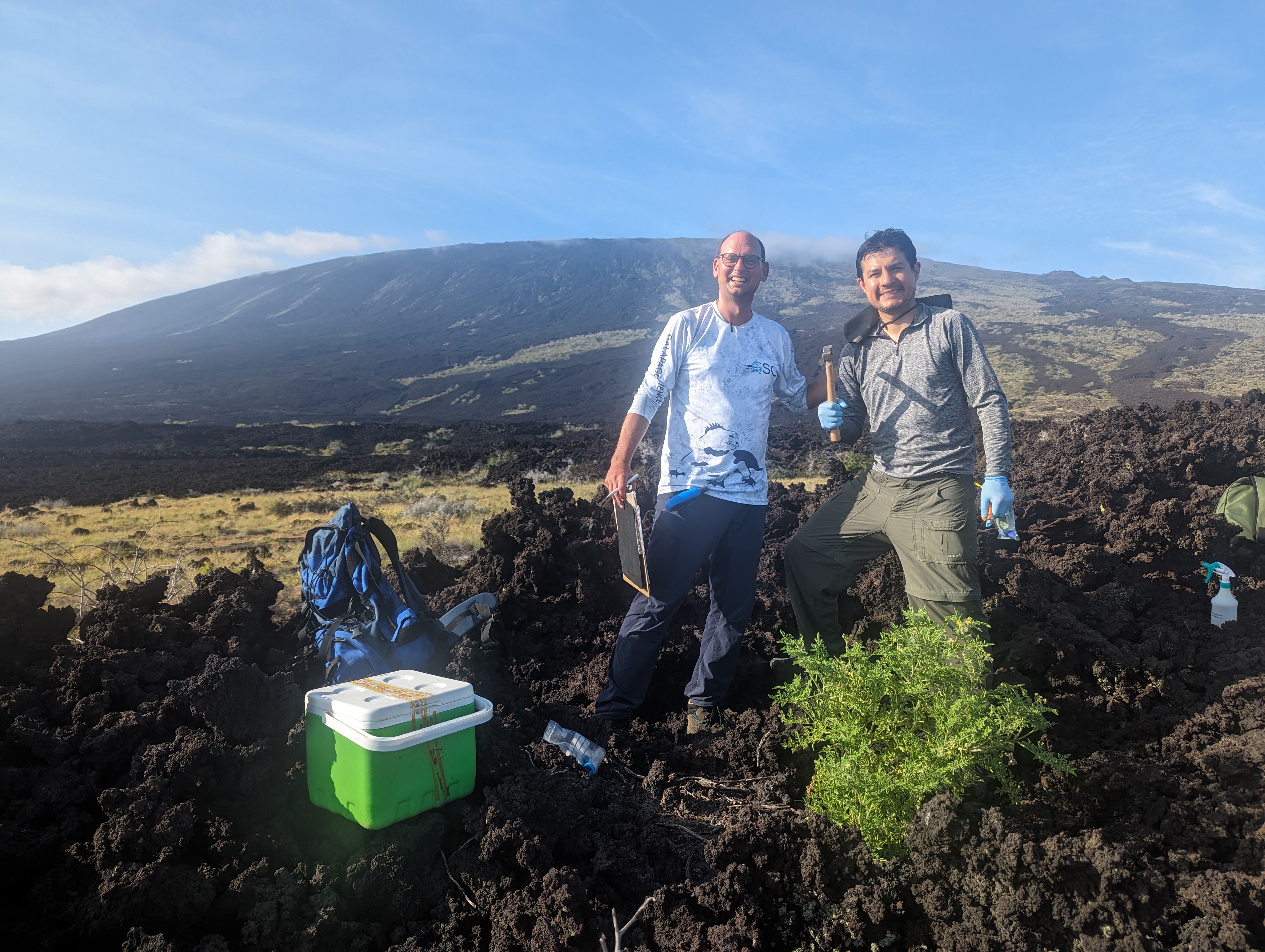
USFQ botanists Pieter van ‘t Hof and Ivan Astudillo Estévez collecting microbiome samples from a wild tomato plant growing on volcanic rock on Isabela, Galápagos. Photo: José Lozano, 2024.
‘We had already spent three weeks on an expedition in southern Ecuador to sample populations of Solanum pimpinellifolium, the ancestor of the cultivated tomato in its area of origin. Enormously intensive work, because we collect samples not only from the rhizosphere – the microbiome around the roots – but also from the phyllosphere, the biofilm on leaves. From these we characterise the bacteria, archaea and fungi present using 16S/ITS sequencing or metagenomics’, explains Van ‘t Hof. ‘This is virtually uncharted territory in Ecuador, but there are indications that the vast majority of the microbes have a positive functional influence on plant growth and resistance. Our research is fundamental, but it can later be translated to modern tomatoes.’
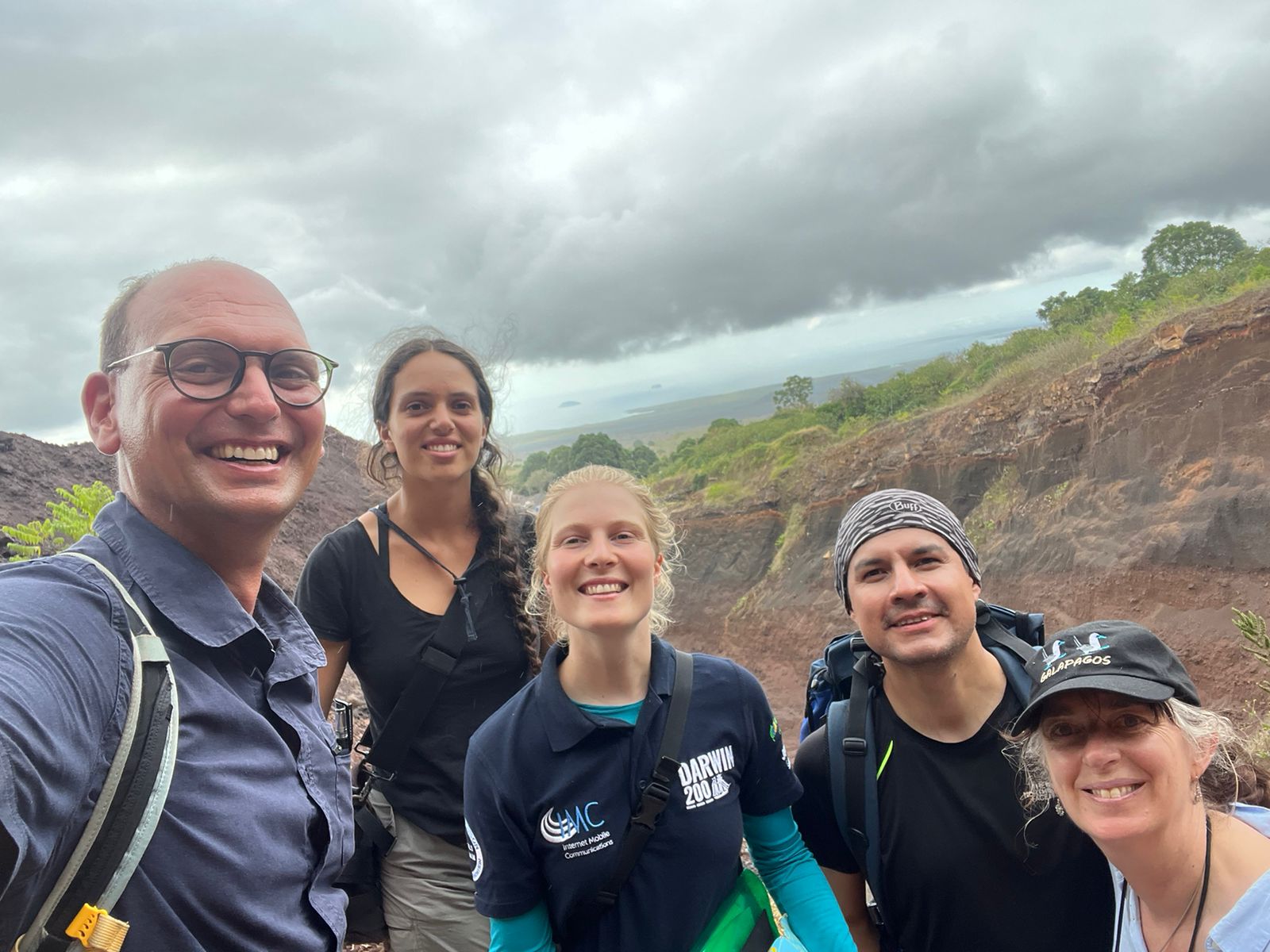
Part of the tomato team on Galápagos, from left to right: Pieter van ‘t Hof (USFQ), Naia Andrade Hoeneisen (Darwin200 Leader), Hanna Hoogenboom (Darwin200 Leader), Ivan Astudillo Estévez (USFQ) and Sarah Darwin (Museum für Naturkunde Berlin / Darwin200 Ambassador).
VELVETY
During the two weeks of fieldwork on Galápagos, the team led by Van ‘t Hof and NIOO soil ecologist Jos Raaijmakers – which includes several PhD candidates from Leiden and Wageningen – receives assistance from British botanist Sarah Darwin, great-great-granddaughter of the founding biologist Charles Darwin and ambassador of the Darwin200 project. She completed her doctorate in 2009 on research into Galápagos tomatoes at University College London and described the predominantly coastal S. galapagense as a separate species (Systematics and Biodiversity, 2003) on account of its distinctive leaf shape and the very dense, velvety covering of the epidermis with unicellular (glandular) hairs, or trichomes. The endemic Galápagos tomatoes also produce edible, orange or yellow, berry-like fruits that play an important ecological role and are eaten and dispersed by native mockingbirds and giant tortoises. The endemic tomato species are not always found in the same locations as they were twenty years ago. There also appears to be increased hybridisation with the two introduced cultivated tomatoes (S. pimpinellifolium and S. lycopersicum). A situation that Darwin describes as ‘a nightmare for the future of endemic Galápagos tomatoes’. Natural populations of endemic tomatoes on the Galápagos Islands are in continuing decline.
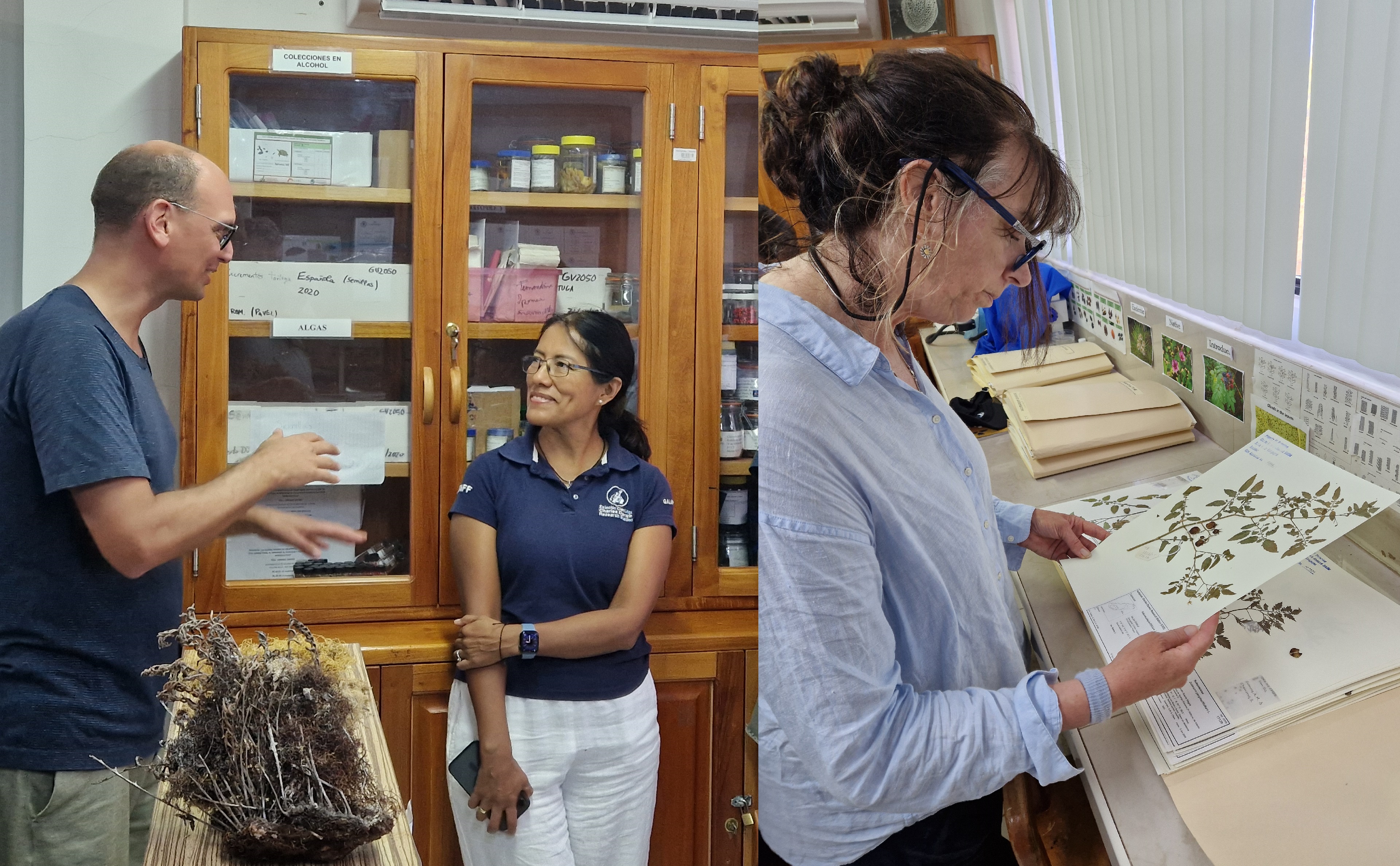
Plant scientist Pieter van ‘t Hof (Universidad San Francisco de Quito), botanist Patricia Jaramillo Díaz (Charles Darwin Foundation Galapagos & IUCN Specialist Group on Galápagos Plants) and tomato expert Sarah Darwin (Museum für Naturkunde Berlin & Ambassador Darwin200 expedition) examining previously collected specimens of Galápagos tomatoes in the herbarium of the Charles Darwin Research Station on Santa Cruz. Photos: Moebius.
In an impressive video presentation at the USFQ-Galapagos Science Center on San Cristóbal, recently graduated Wageningen plant scientist and Darwin200 Leader Hanna Hoogenboom makes the case for protecting endemic and wild tomato species in their regions of origin, and for funding this through a levy on products derived from plant breeding.
According to Darwin, traits from the Galápagos tomatoes have at least been used in the past to make cultivated tomatoes easier to harvest. In addition, several Wageningen breeding projects have identified resistances to thrips, whitefly and aphids, among other pests, in S. galapagense, confirms now-retired geneticist and former research leader Ben Vosman. ‘The hairy leaves, owing to their high density of trichomes, give these species a high degree of tolerance to small pest insects. This is a trait that is relatively straightforward to introgress into cultivated tomatoes. We carried out the research together with breeding companies, but I don’t know whether the results were actually used to develop a resistant tomato variety that reached the market – that falls outside our field of view’, says Vosman.
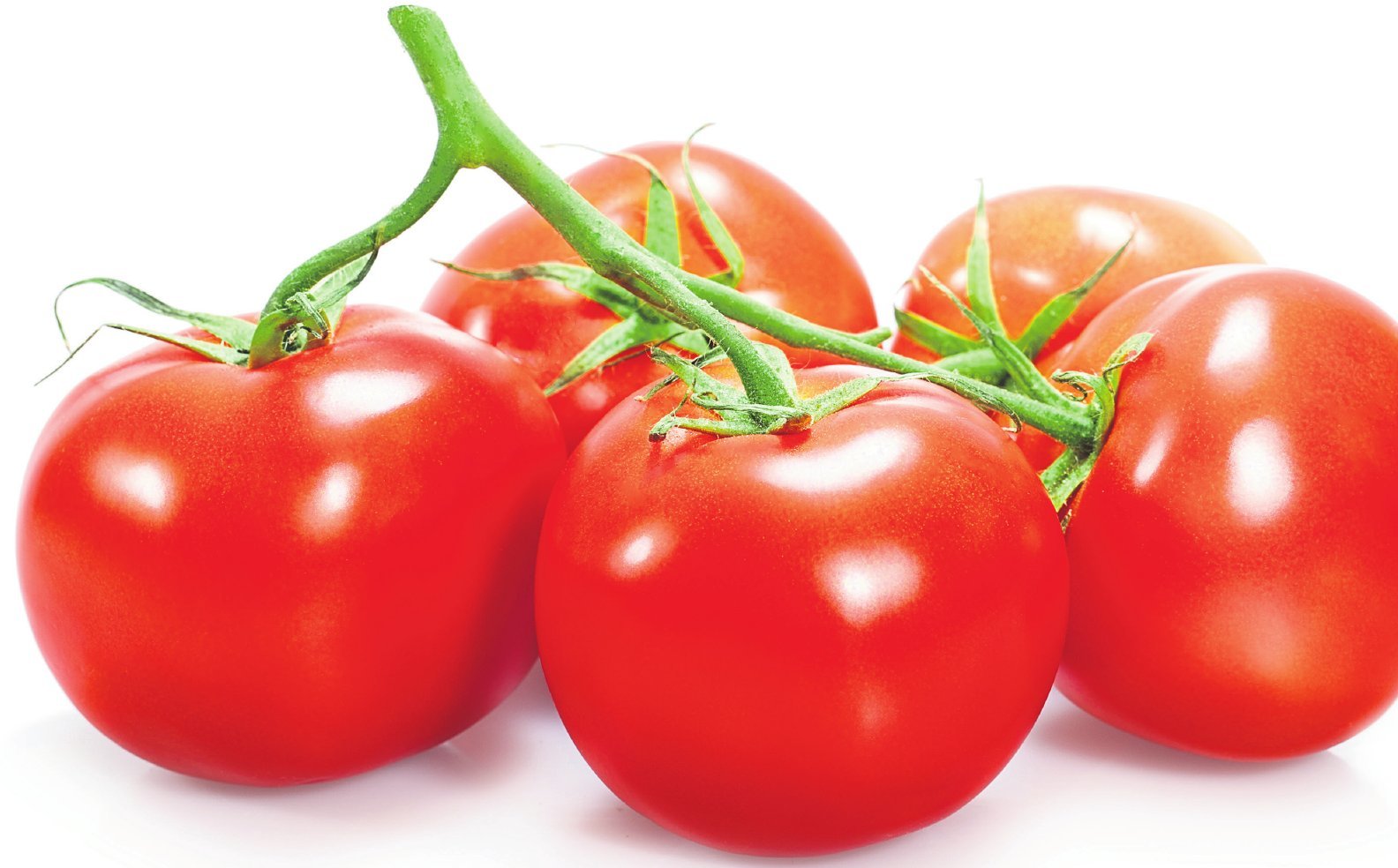
A cultivated truss tomato (Solanum lycopersicum). Photo: Shutterstock.
‘To find out how such a bred product came about, you would have to trace the genetic trail back to its source’
According to seed systems expert Niels Louwaars, former director of the industry association Plantum, the documentation for this is lacking. ‘Scientists produce publications and breeders produce new varieties. To find out how such a bred product came about, you would have to trace the genetic trail back to its source.’ He is familiar with the debate on access and benefit sharing and the desire to fund biodiversity conservation in regions of origin using profits from the products that arise from them. ‘Conceptually it is an excellent plan, but in practice it leads to a great deal of legal wrangling, bureaucracy and, above all, stagnation’, says Louwaars. ‘All genetic material collected before 1993 – the Rio Convention on Biological Diversity – is exempt from any obligation. Since then, virtually all exchange of genetic resources has ground to a halt.’ Louwaars also does not expect the Cali Fund, agreed at the biodiversity summit COP16 in 2024, to change this quickly. That fund aims to collect contributions from pharmaceutical and biotech companies for their use of digital sequence information (DSI) from genetic resources. Louwaars: ‘It has not yet been defined what DSI actually is, yet it has already been decided that payment must be made for it! This is causing considerable confusion at present. It looks like yet another way of counting your chickens before they hatch. I think it would be better simply to fund biodiversity generically through taxes or VAT, because consumers are the ultimate users of biodiversity.’
The cultivated tomato (Solanum lycopersicum) is botanically a berry fruit, though it is generally classified as a vegetable. Linnaeus described the tomato as Solanum lycopersicum as early as 1753, but the species continued to be known as Lycopersicon esculentum for at least two more centuries, which is why this name is still widely used. Domestication probably proceeded in two steps: in South America (Ecuador/Peru), the semi-domesticated intermediate form and landrace S. lycopersicum (var. cerasiforme 1) arose from the wild S. pimpinellifolium some 78,000 years ago, before transitioning to a fully domesticated form in Central America (Molecular Biology and Evolution, 2020). Many traits evolved in the Andes, were partly lost following dispersal to Mexico, but were reselected there from AD 700 onwards by the Aztecs. The tomato, already improved by them through selection, was spread across the entire globe by Spanish colonists from 1540 onwards, via Europe.
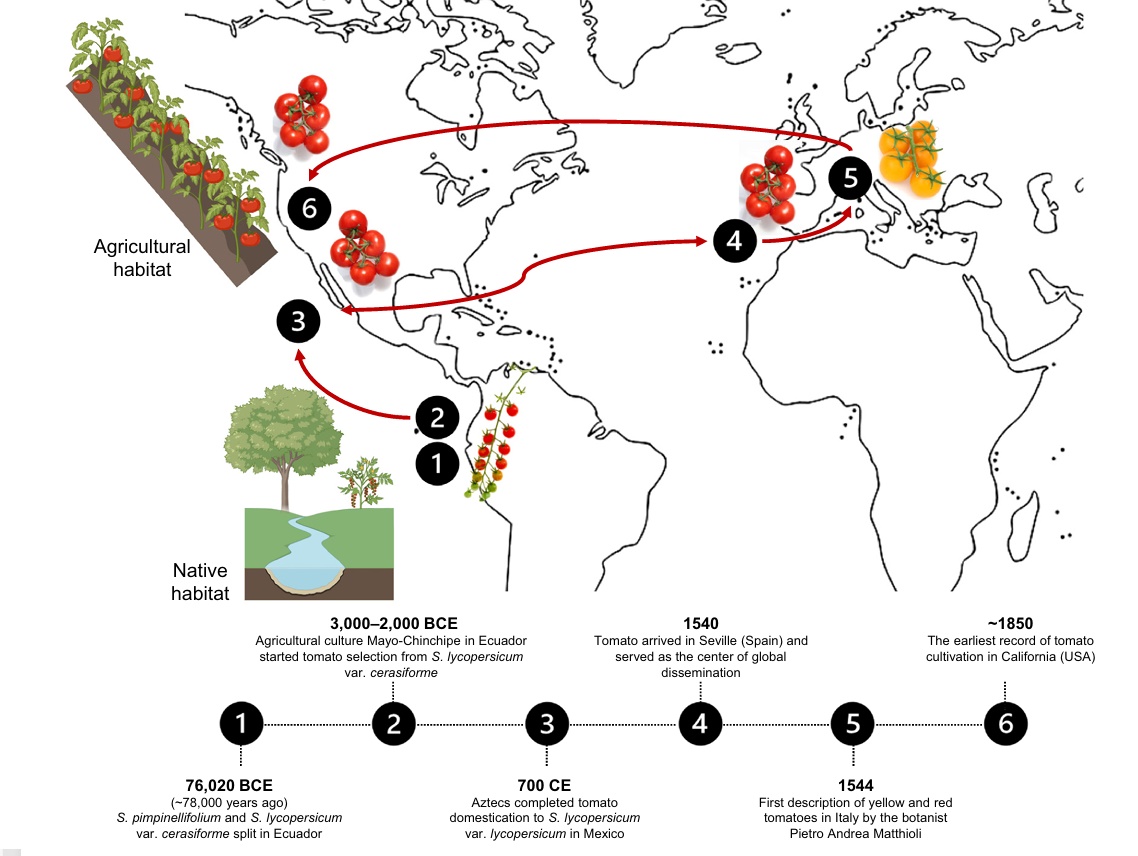
The historical journey of the tomato: from Ecuador (1–2), via Mexico (3) to Europe (4–5) and back again to the Americas (Source: Phytobiomes Journal, 2024)
According to genomic research on European herbarium specimens of the tomato dating back up to 400 years – research on which the Swiss evolutionary biologist Thomas Grubinger defended his doctoral thesis on 15 January in Zürich – there was already considerable variation in fruit shape, size and colour in the sixteenth century. Selection for fruit size in particular had a major impact on flavour. ‘Historical tomatoes of cherry size were sweeter than large-fruited tomatoes, but historical large-fruited tomatoes may have been less bitter and acidic than modern tomatoes’, writes Grubinger.
BREEDING TRAJECTORY
The cultivated tomato underwent a breeding trajectory that is almost impossible to reconstruct, aimed at fruit size, flavour, yield, disease resistance and cultivation traits, in which wild and related tomato species from regions of origin and (secondary) landraces from Spain and Italy were also used (Agronomy, 2021). Cultivated tomatoes are estimated to possess less than five per cent of the genetic variation found in wild species (Annals of Botany, 2007). These are conserved in the natural habitat of the Andes and Galápagos, and in 4,523 accessions held at the Tomato Genetics Resource Center in Davis, California. Meanwhile, the Centre for Genetic Resources, the Netherlands in Wageningen holds around 1,350 accessions of predominantly cultivated tomatoes. According to research on ninety varieties of Dutch glasshouse tomatoes from the period 1950–2016, genetic diversity was at its lowest around 1960, and has since been boosted back above 25 per cent through attention to disease resistance (in the 1980s) and to flavour and fruit shape following the German Wasserbomben criticism (in the 1990s) (Frontiers in Plant Science, 2019).
With 192 million tonnes produced worldwide, tomatoes are the most widely grown vegetable (FAO Stats, 2023). China, India and Turkey are the top producers; the Netherlands ranks around 23rd, but is number one in terms of yield per hectare (at 506 tonnes per hectare annually) and is a world leader in the production of tomato seeds. According to WikiFarmer, more than nine thousand tomato varieties are grown worldwide.
1 Correction 28 March 2025 (the text erroneously read: cerestiforme)
Galápagos tomatoes unmasked
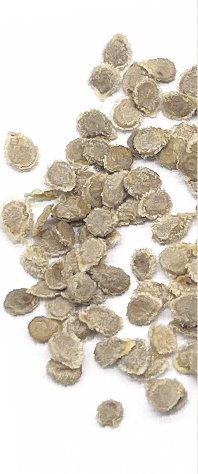
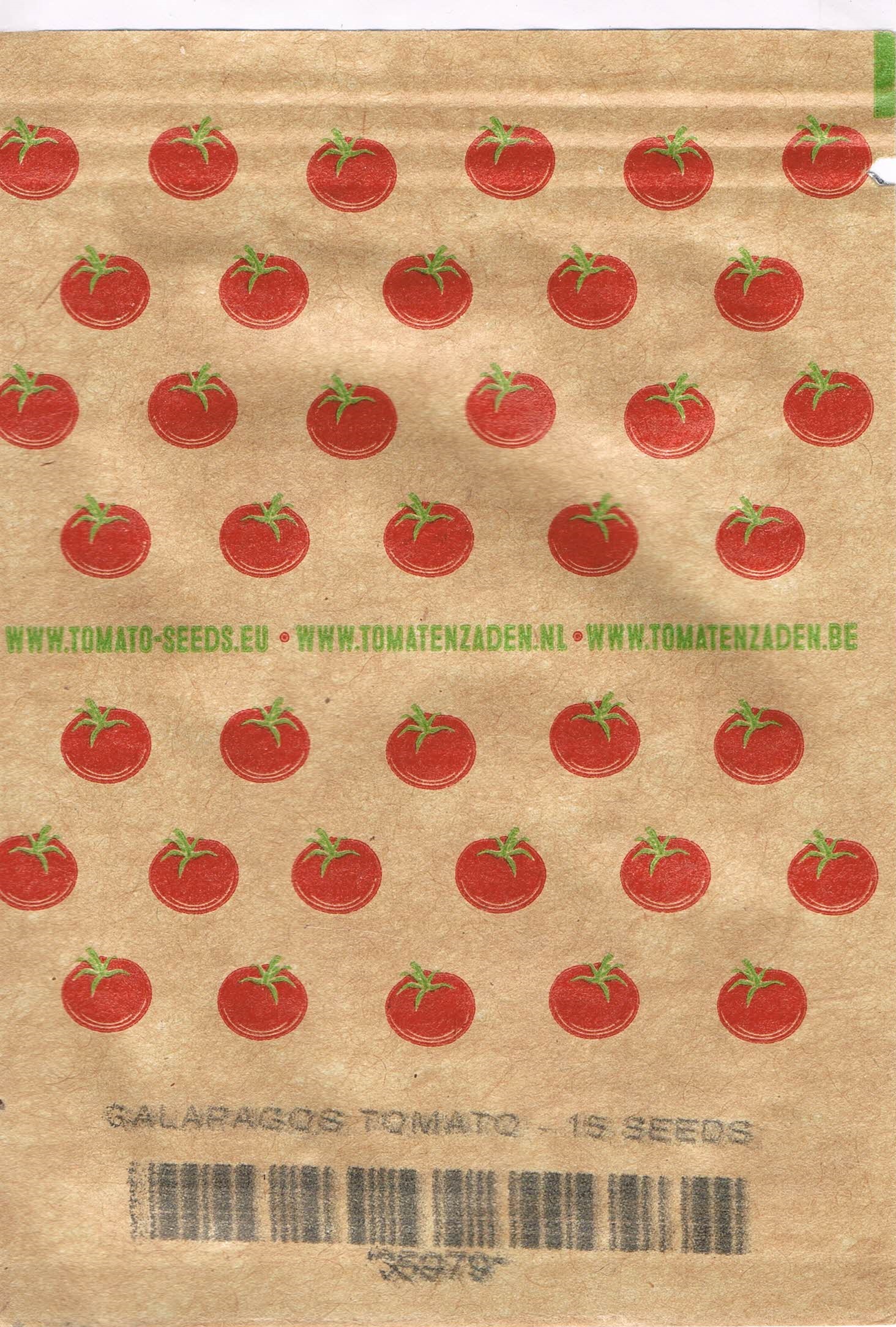
In the run-up to my visit to the Galápagos Islands in May 2024 during the Darwin200 expedition, I discovered that seeds of Galápagos tomatoes were on sale all over the internet. I ordered several packets of seed (see photo above) from tomatenzaden.nl of ‘a wild tomato that grows on the Galápagos Islands’ under the ‘species name’ Lycopersicon Cheesemanii (with ‘a delicious, typically tangy tomato flavour’). Despite the garbled name (see: ‘Domestication of the tomato‘), I assumed it referred to the endemic Galápagos tomato Solanum cheesmaniae. Cheesmaniae is in any case the correct inflection, as the species was collected by a woman: the British entomologist, world traveller and species collector Evelyn Cheesman (1881–1969).
I gave the seed packets as mementos to people who had stayed behind and helped me. Even during my trip I began receiving messages and images from Caroline van der Mark, a biologist from Wageningen and former Galápagos guide, showing lushly growing tomato plants and eventually a great many orange-yellow tomatoes, ‘larger than I know them’ but ‘delicious, fresh, not very sweet’. The plants growing in ordinary potting compost at her daughter’s home in Den Bosch did particularly well, which came as a surprise to tomato researcher Pieter van ‘t Hof of USFQ in Ecuador. ‘Really? Seriously, could these be Galápagos tomatoes?’ and ‘Those tomatoes are so big. The shape of the leaves doesn’t convince me yet’, was his response.
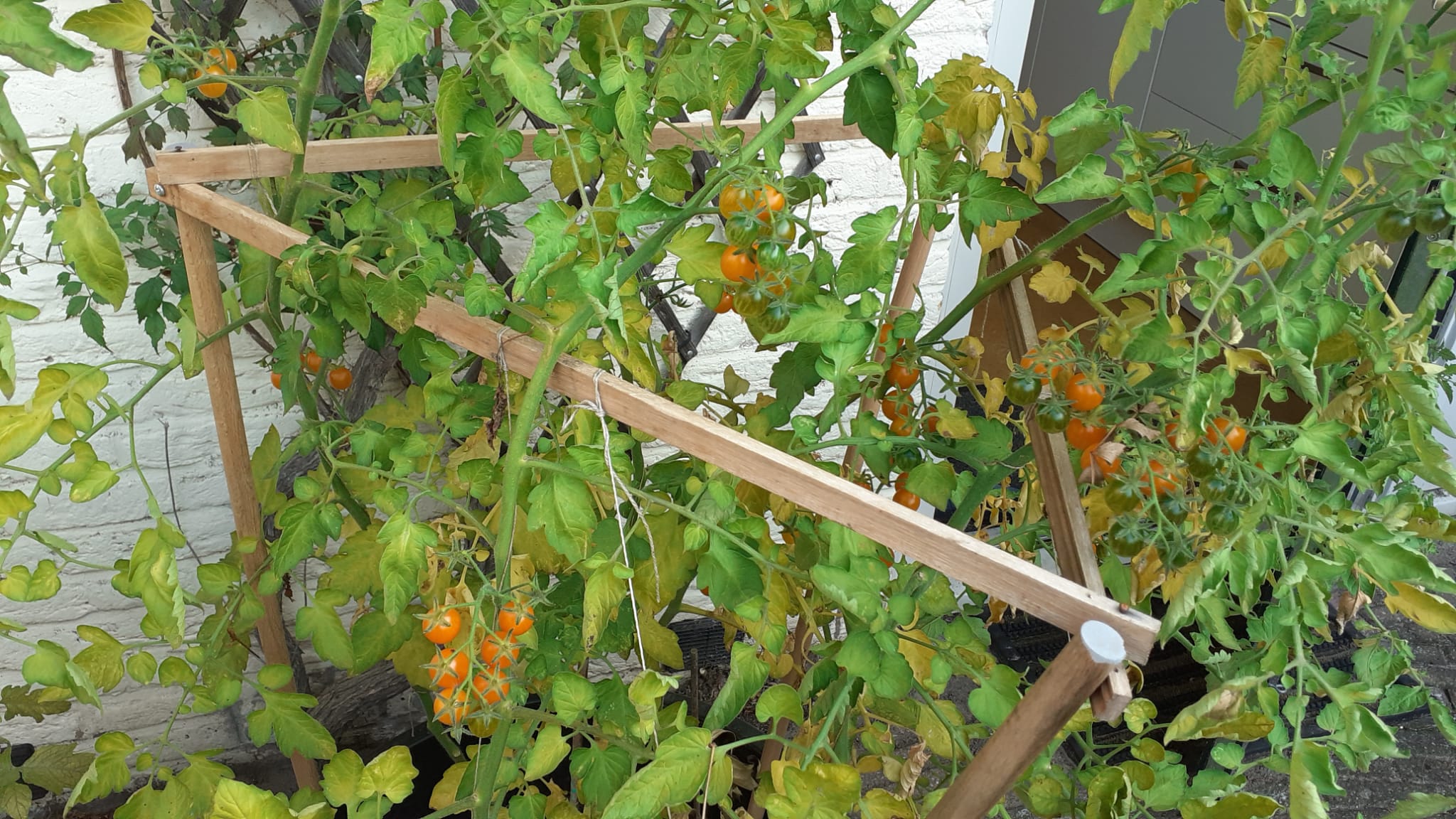
The ‘Galápagos tomato’ grown in Dutch potting compost. Photo: Caroline van der Mark.
After my return, on 15 August I sent a query to tomatenzaden.nl asking whether these were genuinely wild seeds from the Galápagos. I received no reply, but after repeated requests Robert-Jan Massier of tomatenzaden.nl acknowledged in an email on 12 March that ‘there is indeed something wrong with them’. According to him, their supplier (seed wholesaler Pieterpik in the Frisian village of Luinjeberd) had at the time ‘registered Solanum lycopersicum under the variety name Cheesemanii / Galapagos’, ‘probably so named because it bears some resemblance to it’. It is therefore actually a cultivar of the common cultivated tomato, and the plant passport also indicates that they were produced in the Netherlands.
Massier says he will update the description, but as of 21 March this had not yet happened (postscript: from 28 March onwards, the Galápagos tomato listing disappeared from this webshop – GvM). Combating such fraud and misinformation feels like a losing battle. There are dozens of webshops offering seeds of ‘wild Galápagos tomatoes’ (including of ‘Solanum galapagense‘). The prize goes to the Belgian webshop Vertiloom, which offers ‘Wilde heirloom (Solanum Cheesemannii) uit de Galapagos-eilanden’ (sic), ‘collected by Sarah Darwin, great-great-granddaughter of Charles Darwin’.
Niels Louwaars, an expert in seed systems and former director of the industry association Plantum, is not surprised, but is appalled by such websites ‘that lead hobby gardeners up the garden path with fine-sounding stories’.
See also:
–Wild Galapagos Island Tomatoes and the Secrets of Diverse Wild Tomato Species – Blog Andrew Barney, 1 February 2018
–Agrobiodiversity: The living library – Karl Gruber, Nature, 27 April 2017
–Veggie Family Secret: Tomatoes are Double First Cousins – Rebecca Rupp, National Geographic, 15 July 2014