


Hit was a fine spring day. The grass along the ditch had grown knee-high. The first damselflies swayed on the stems in the breeze, and the cow parsley was already standing head-high in the meadow, to paraphrase postman Siemen. I sat quietly crouched in the grass, staring at my dancing float. Small rudd were attacking the oversized piece of bread on the hook, sending the float darting left and right, dipping briefly below the surface before bobbing back up again. When my neighbour suddenly appeared behind me and asked about the catch, the rudd fled between the stems of some water lilies. After my dutiful report on the day’s haul, he launched, unprompted, into a story about the old days. Twenty-five years ago he had moved to the village with his family, into a house overlooking the meadow. He had chosen it for the ditch and the nature that bordered the garden. ‘We had a little rowing boat so we could just head straight out into the fields. Only in summer that was completely hopeless – the whole ditch would be choked with aquatic plants. And frogs everywhere, you know? But they’re nearly all gone now.’
My neighbour noticed that the water was looking pretty clear at the moment. He was right – the ditch was well over half a metre deep, yet the bottom was clearly visible in the glittering sunlight. He hadn’t seen it this clean in years. Clean? Yes, clean, because the water wasn’t murky. It was obvious that we were each working with a different definition of ‘clean’. But despite the water appearing clean to him, he wouldn’t dare take a sip. To me, that was proof enough that the water was foul. I explained that, with a little help from climate change, we had had an exceptionally dry spring. This meant less mud and fewer nutrients had been washed from the land into the water, making it clearer than usual – but it was still full of nutrients and toxic substances.
It was obvious that we were each working with a different definition of ‘clean’
Where did all that filth come from? Partly from the weedkiller my neighbour used to keep his path free of weeds. And from another neighbour further along – a dairy farmer locally known as ‘the sloppy farmer’. My neighbour was visibly uncomfortable at being called a frog killer. It also became clear which way he had voted in the last election. ‘Yes, but without farmers there’s no food.’ That is, of course, an undeniable truth. He hadn’t yet come across the slogans ‘fewer farmers, still enough food’, ‘fewer farmers, more houses’ and ‘fewer farmers, cleaner water’ – but that’s beside the point. We did agree that the drinkability of ditch water is actually quite a good measure of water quality. And if neither of us dared take a sip, we could always let the frogs taste it instead. They would be like the canary taken down into the coal mine. Or would it already be too late by the time it fell off its perch?
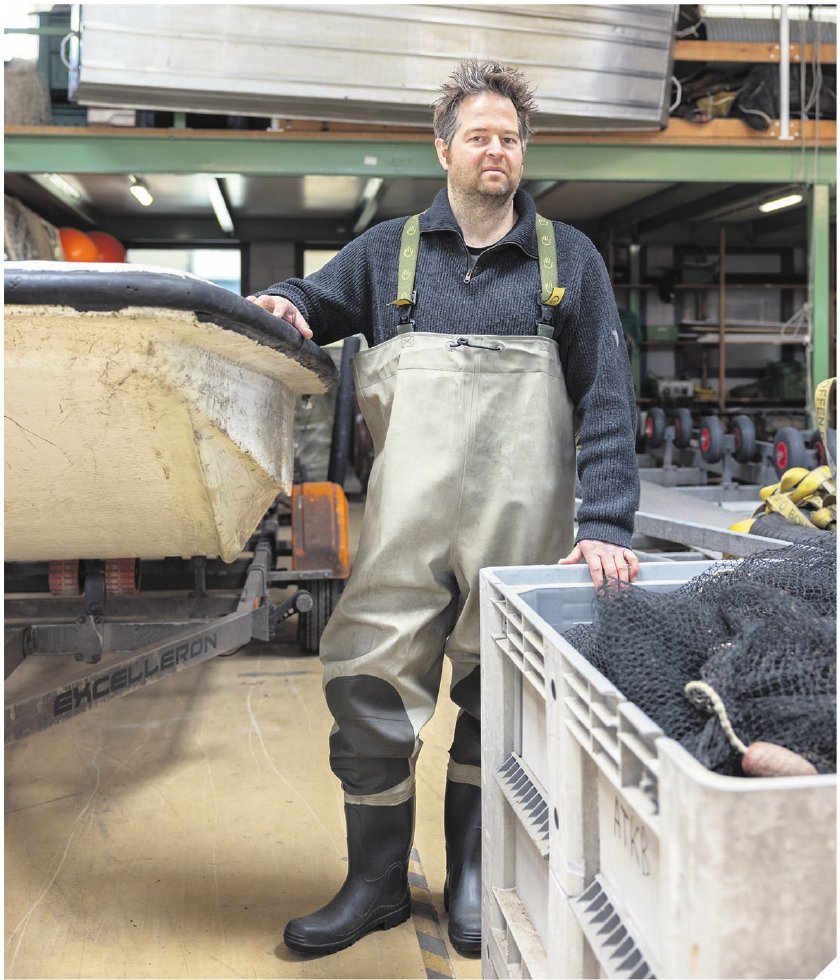
Rob Kroes is a fish ecologist at ecological consultancy ATKB. He is also conducting doctoral research on migratory fish at the University of Amsterdam.