


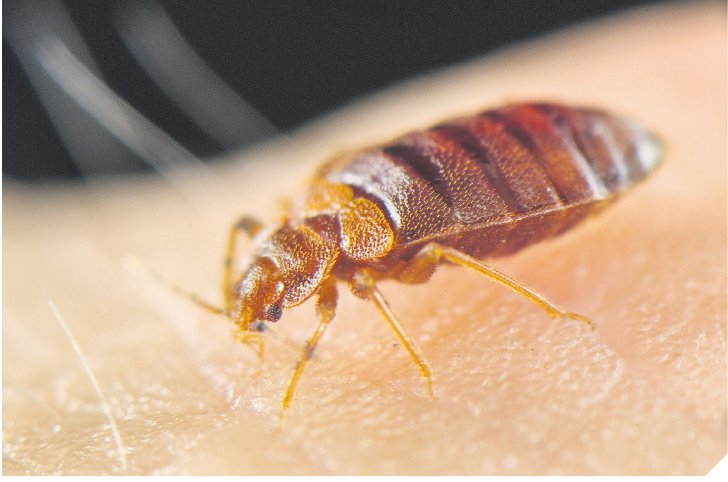
The human bedbug (Cimex lectularius) now differs markedly from its bat-associated counterpart. Photo: ImageSelect
Long before rats and cockroaches appeared en masse in cities, bedbugs had already established themselves in human settlements.
De bedbug is possibly the first insect to develop into an urban pest. Genome research shows that the human-specialist variant of Cimex lectularius has been hitching a ride with us for at least 13,000 years, coinciding with the rise of early cities (Biology Letters, 28 May). This makes the pest insect thousands of years older than other known urban pests, such as the German cockroach and the black rat.
Bottleneck
Researchers sequenced the genome of nineteen bedbugs from the Czech Republic and compared the genetic history of two evolutionarily distinct lineages: one that parasitises bats and another that is specifically adapted to humans. The latter appears to have undergone a genetic bottleneck during the last ice age. Around the time of the emergence of the first cities, some 13,000 years ago, a sharp population expansion followed. This pattern is absent in the bat lineage. According to the authors, this expansion reflects human population growth and the transition from a nomadic existence to permanent settlements. The genetic analysis also shows that the human bedbug now differs markedly from its bat-associated counterpart: bedbugs that bite humans are smaller, less hairy, and show genetic signatures of insecticide resistance. The human lineage split from the bat lineage approximately 245,000 years ago, according to the demographic models.