


 Photo: ImageSelect
The Dutch Mammal Society has declared 2025 the Year of the Vole to draw attention to the important role these small rodents play in the ecosystem. The rodents are enormously important: many birds of prey and predators such as stoats and weasels depend on the breeding success of the mice. This success is under threat due to the reduction of vole habitat by agriculture and urbanisation, with all the consequences that entails. It is no coincidence that 2025 is also the Year of the Common Kestrel. During the Year of the Vole, you can get involved in monitoring the animals yourself, writes the Dutch Mammal Society. The organisation is holding events across the country to dissect owl pellets. This year, the society will focus on the characteristics and habitats of the various vole species, so that more people can learn about how ‘fun, remarkable and useful’ this important link in the ecosystem really is.
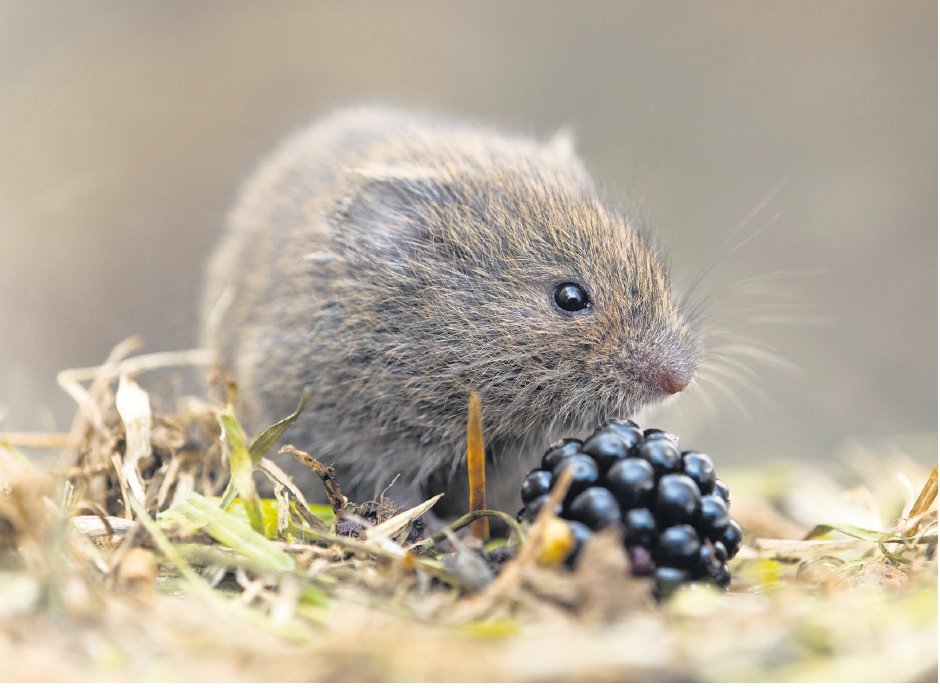
The Netherlands is home to five different vole species, of which the field vole is one. To the untrained eye, the various vole species can be difficult to tell apart at first glance, but the location where you encounter the animal can offer a clue. Unlike the other vole species, the field vole favours rough heathland. The length of the tail is also relevant: in the field vole it is shorter, at most a third of its body length.
The field vole was described by Linnaeus in 1761. The genus Microtus is a combination of two Greek words: micros and ous, meaning ‘small ear’. Its species name agrestis refers to its preferred habitat and means ‘of the field’. Field voles typically build their nests above ground from finely shredded grass. Its small ears do not make the field vole hard of hearing in the least: like their relatives in the family Muridae, these rodents communicate using ultrasonic sounds inaudible to humans during certain phases of their lives.