


 Photograph: ImageSelect
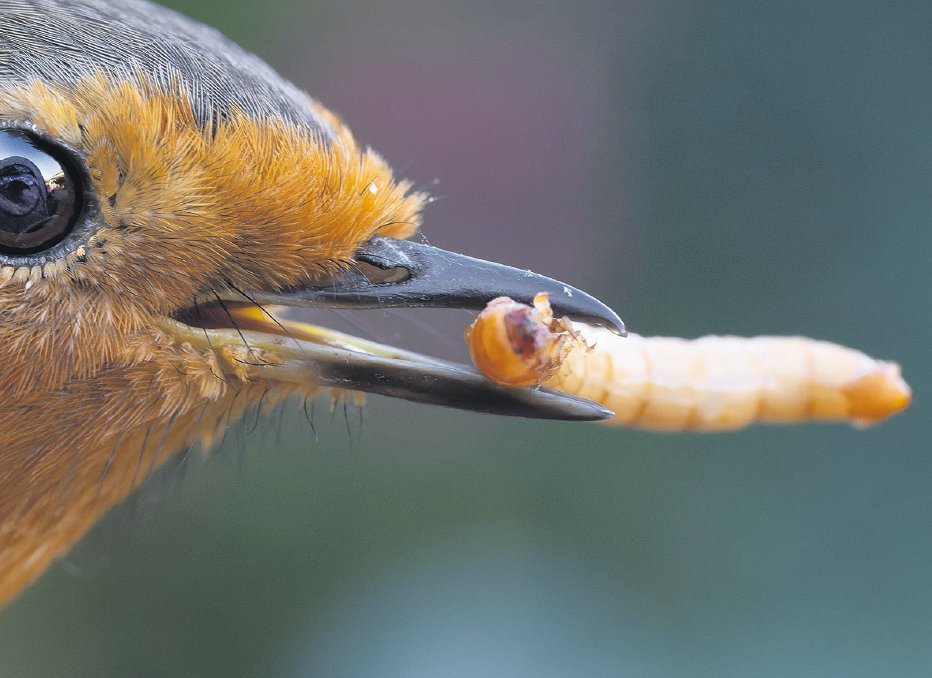
Pest or delicacy? Both labels apply to the mealworm beetle (Tenebrio molitor). Particularly to the larval stage of this creature – which is, in fact, how the mealworm beetle is better known: as the mealworm. In the Western world, mealworms as a food source are sold primarily as pet food, but they are perfectly suitable for human consumption too. Fried or deep-fried mealworms make a nutritious snack: the larvae are packed with protein, vitamins and minerals. Because they can be reared fairly efficiently, production is also environmentally friendly. In the wild, mealworms live in, among other places, rotting wood, but they are equally fond of human food stores. Linnaeus noted as much: ‘lives in bakers’ flour, mills, dry bread and sugar’, he writes in Systema naturae in 1758. The specific epithet molitor – Latin for miller – is presumably a reference to this. Although mealworms are perfectly edible, millers will generally be dismayed to find the larvae in their flour supply. Fortunately, mealworms are relatively easy to control: a matter of swift detection and removal. Calling in a specialist is usually unnecessary, according to the Knowledge and Advice Centre for Pest Animals. The larvae are typically yellow or brown, but in its adult stage the mealworm beetle is darker in colour. Freshly pupated individuals are still white, but within a few days they turn brown to black.
The genus name Tenebrio, from the Latin word for darkness, has a different origin, however. ‘In its proper sense, the Latin word tenebrio is taken to mean someone who shuns the light and keeps hidden during the day. This can be applied to many insects; but Linnaeus uses that word as a genus name for these, which (…) seem to love the darkness’, reports Natuurlyke historie of 1761, a few years after Linnaeus’s original description of the mealworm beetle – Linnaeus himself gave no etymological explanation of Tenebrio in Systema naturae.